New contractTenant improvement · example
Received 9:41 AMInsurance requirementOwner’s insurance exhibit
Before mobilizationReviewing insurance language
Policy summary
Commercial auto · general contractors

Claim
Your work van rear-ends another car between jobs.
Certificate of insurance
The owner’s insurance request
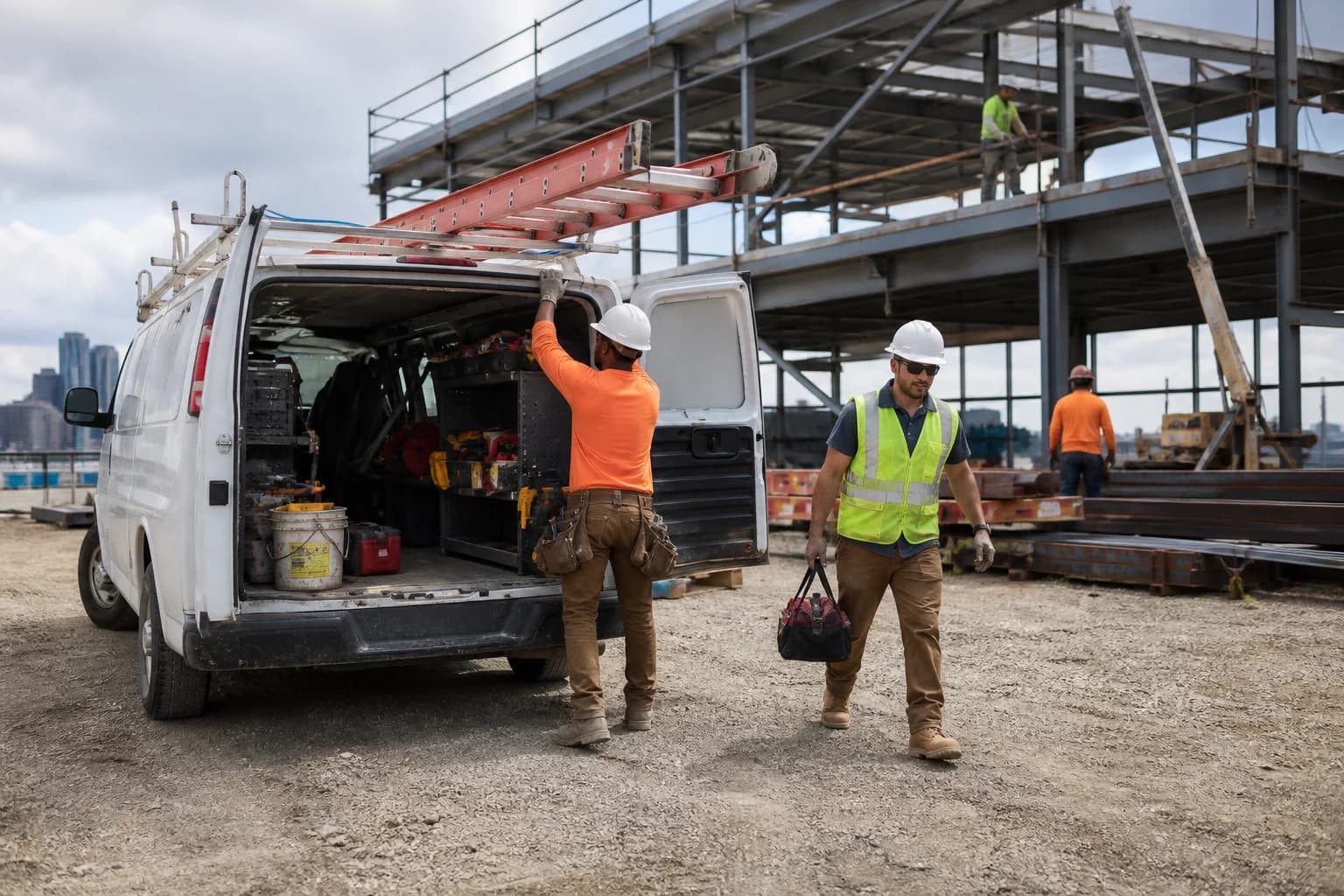
Between the yard, the supplier and the next project, your vehicles are part of the job. Compare protection for the driving, the drivers and the trucks your business depends on.
 Business vehicle liability and damage reviewed separatelyEmployee-owned and rented vehicle use consideredTools and equipment checked outside the auto policy
Prefer to talk? Call +1 802-GOT-RIZA · Sun to Sat, 8am to 8pm ET
Markets we place through.






Illustrative examples. The policy, facts and applicable law determine the answer.
Liability
 The other driver has injuries or vehicle damage.Commercial auto liability may respond to a covered accident.Damage to your own van needs a separate coverage check.
Vehicle damage
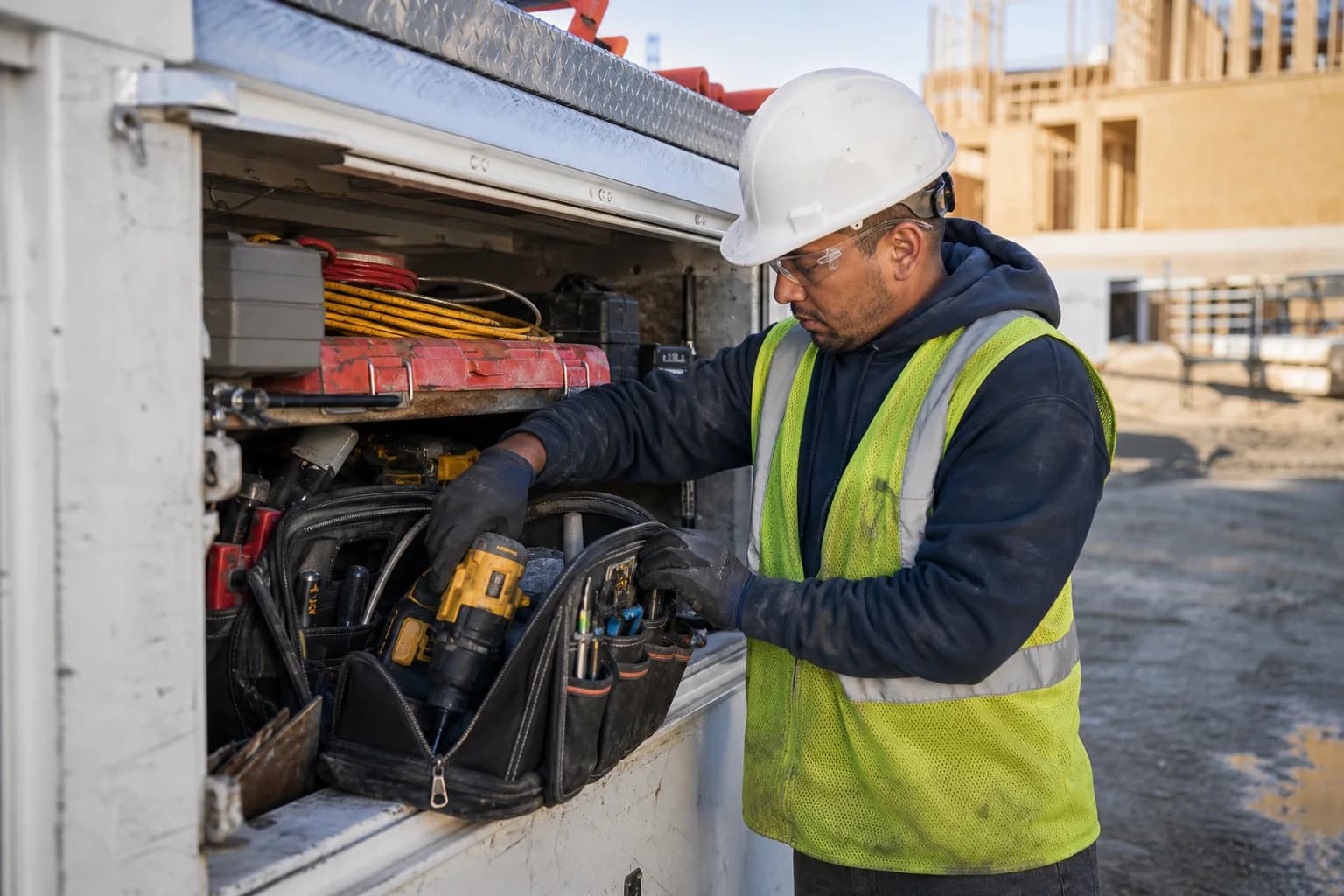
Comprehensive coverage may address covered theft and damage to the vehicle.Tools taken from the van need a separate equipment coverage check.We help review both so a vehicle policy is not mistaken for tool protection.Vehicles you do not own
Business use of an employee-owned car creates another liability question.Ask about hired and non-owned auto protection.It does not automatically insure damage to the employee’s car.These are the details to settle before the next project.

We stay for the other half. Four things that happen when a broker is on the account.
 Insurance requirements compared with your policy
 Additional insured and completed-work terms explained
 Open coverage questions flagged before you commitCertificates issued from the policy as writtenInsurance requirements compared with your policyAdditional insured and completed-work terms explainedOpen coverage questions flagged before you commitCertificates issued from the policy as writtenNew employees and subcontracted operations reviewedVehicle and equipment changes sent to the carrierNew project types considered before work beginsRequested changes confirmed before you rely on themHelp reporting the incident to the carrierProject records and photos organizedSupport with questions about the next stepThe carrier determines coverage and claim paymentsUpcoming projects and business changes consideredAvailable coverage and prices comparedExclusions and payment terms explainedYou decide whether to stay or switch
A price for your work starts with an accurate picture of the business.
Type, value, weight and use affect available terms. Include trailers and special equipment, not just pickups.
Driving records and experience can affect the quote. Tell us about new drivers before they use company vehicles.
Garaging, travel radius, jobsites and cross-state work help carriers understand the exposure.
Liability limits, collision, comprehensive and deductibles change both protection and price.
Bring accurate loss information and documented changes to vehicle or driver practices.
Start with the jobs you run and who does the work. We’ll help you build a program around both.
Your projects
LiabilityHelp protect your business against covered injuries to others and property damage, including certain claims from completed work.
Your people
State rulesMedical care and wage benefits for covered employee injuries. Check employee, owner and subcontractor treatment before a job starts.
The project
In progressHelp protect covered project property during construction. Check who arranges it, whose interests are insured and when protection ends.
Your equipment
On the jobCheck protection for gear at the shop, in transit and on site, including rented equipment and theft conditions.
Already insured? Send it once. We compare it with today’s options.
Commercial auto questions from general contractors.
Business-owned vehicles generally need a business auto policy. Personal policies can limit or exclude particular business uses, so describe how the vehicle is owned and used rather than assuming a pickup is covered because it looks like a personal vehicle. Your state and contracts may set additional requirements.
Not automatically. The vehicle and portable equipment are different insurance questions. Ask about tools and equipment coverage for items in transit, in storage and on the job. Theft conditions, scheduled-item limits and deductibles matter, including when gear is left in a truck overnight.
It can address certain business liability involving rented vehicles or vehicles the business does not own, such as an employee’s personal car used for work. It does not automatically cover physical damage to those vehicles or replace the owner’s insurance. Review the actual use and endorsements before relying on it.
Coverage depends on the policy, vehicle definitions, schedules and endorsements. Ask separately about liability and damage to the trailer or rented truck, then check the tools or materials being carried. Bring rental agreements and trailer details so required protection can be compared before the vehicle is used.
You can request a change through your broker. The carrier may need driver, vehicle, garaging and usage details, and the premium may change. Ask for confirmation of the effective date and terms before relying on coverage. Do not assume every newly purchased vehicle or driver is automatically covered indefinitely.
Use the same vehicle and driver information, then compare limits, covered vehicles, physical damage, deductibles, hired and non-owned coverage and payment terms. A lower monthly payment can reflect different protection. Riza helps explain the differences so you can choose with the whole business in view.
Tell us about your projects, or bring the policy you already have.
Prefer to talk? Call +1 802-GOT-RIZA · Sun to Sat, 8am to 8pm ET